
2026 Summer Forum
July 12-15, 2026
• • •

Legislative Roundtable:
Economic and Budget Outlook

The session led by Corina Mulder focused on state legislative achievements and challenges, with particular attention to states' fiscal conditions following the most recent legislative sessions. Senators from each of the states represented commented on their state’s fiscal health.
-
Fiscal overview: Ms. Mulder shared June data from MultiState showing that:
-
26 states are in a positive or stable fiscal position.
-
14 states are in a conditional fiscal situation.
-
10 states are facing significant fiscal challenges.
-
Despite varying revenue outlooks, most states currently have record-high rainy day funds and reserves, providing a buffer against budget pressures.
-

Source: MultiState collection of state revenue estimates. Data as of June 2026.
--------------------------------------------------------------
Discussion
Comments are paraphrased for brevity.

Senator Rod Bray (Senate President Pro Tempore, Indiana)
Reported on the state’s strong financial outlook noting that improved revenues had eased some budget concerns. He highlighted efforts to improve childcare affordability by balancing quality standards with expanded access through partnerships with employers and nonprofits. The state is also focused on controlling rising Medicaid costs, which have grown to a larger share of the budget.

Senator Bill Ferguson (President of the Senate, Maryland)
Described a challenging fiscal outlook driven by structural budget deficits, rising energy costs, and uncertainty from changes in federal funding. He noted that lawmakers delayed major fiscal decisions during the election-year session. Maryland is also reviewing its 10-year education reform plan, known as the Blueprint, as future costs shift increasingly to the state’s general fund.

Senator Lonnie Paxton (Senate President Pro Tempore, Oklahoma)
Identified education reform as the session’s most significant achievement. The state responded to concerns about low education rankings by increasing required classroom instruction days, limiting reliance on virtual learning, and restoring evidence-based literacy practices such as phonics and the science of reading. Oklahoma plans to develop a long-term education strategy with the new state superintendent.

Senator David Sokola (Senate President Pro Tempore, Delaware)
Said Delaware's most significant achievement this session was taking the first major step toward reforming the state's school funding system. For decades, the state has relied on a "unit funding" model that allocates staff positions rather than funding based on student needs. Through Senate Bills 302 and 303, the state began transitioning to a needs-based funding approach, backed by additional budget support to implement the changes. He also addressed concerns about Delaware's corporate franchise system, though the state's position remains strong. The state continues to benefit from more than 230 years of corporate case law, which remains a significant competitive advantage.

Sen. Bobby Joe Champion (President of the Senate, Minnesota)
The state's immediate financial position remains strong despite a conditional short-term fiscal outlook and structural imbalance. The state maintains a $3.65 billion rainy day fund, with a policy of replenishing it whenever reserves fall below that level. The state's fiscal uncertainty is largely driven by tensions with the federal government, including funding delays, additional oversight, and the possibility of withheld federal dollars. As federal support becomes less certain, the state has had to backfill funding for priorities such as education and health care. The state will continue to support those services, but cannot replace every federal dollar.

Senator Amy Sinclair (President of the Senate, Iowa)
Discussed fiscal adjustments related to declining agricultural revenues, Medicaid costs, and recent tax reforms. Iowa relied on reserves during the transition, focused on property tax reform, invested in water quality and agriculture initiatives, supported children’s cancer research, and began exploring economic opportunities related to recently discovered hydrogen resources.
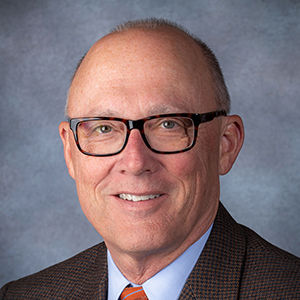
Senator John Arch (Speaker of the Legislature, Nebraska)
Highlighted responsible budgeting, tax reform adjustments, and property tax relief efforts. The state addressed a growing budget shortfall through spending reductions, cash fund transfers, and use of reserves. He emphasized that the challenge resulted from revenue reductions following tax cuts rather than economic weakness and said future efforts will focus on structural property tax reform.

Senator Rick Kloos (Senate Majority Whip, Kansas)
Described efforts to manage budget pressures while improving government efficiency and supporting essential services. Kansas reduced its projected deficit through spending cuts and tapping its $2 billion rainy day fund, created a government efficiency committee, expanded support for programs such as Meals on Wheels, and pursued housing and regulatory reforms to encourage economic growth. Additionally, the school funding formula is being adjusted.

Senator Monique Limón (Senate President Pro Tempore, California)
Explained that the state’s fiscal pressures are largely tied to federal funding uncertainty, including potential impacts from HR1 cuts. California advanced an $11.25 billion veterans and affordable housing bond measure for voter approval, addressed a projected $10 billion structural deficit through budget reforms, and is sending to the voters the Save for California’s Future Act, which would boost reserves from 10% to 20% and protect school funding. The state also restructured its Managed Care Organization tax.

Senator Ron Kouchi (President of the Senate, Hawai’i)
Reported an improvement from a negative fiscal outlook to a conditional status by maintaining reserves, preserving tax relief, and managing external pressures, especially federal funding challenges and impacts from federal DEI-related restrictions. Hawaii protected income tax reductions for 90% of residents while increasing rates for higher earners, maintained a roughly 10% rainy day fund, addressed federal policy impacts, and continued prioritizing affordable housing and workforce retention.

Senator Dean Kirby (Senate President Pro Tempore, Mississippi)
Described strong revenues, tax reductions, education improvements, and economic growth. Mississippi reduced income, sales, and grocery taxes while increasing the gas tax for transportation. He highlighted record surpluses, manufacturing growth, and improved education rankings supported by teacher pay increases and continued K-12 investment.

Senator Cindy O’Laughlin (Senate President Pro Tempore, Missouri)
Emphasized the need for greater accountability in budgeting and raised concerns about the long-term effects of federal spending patterns. She advocated for performance-based budgeting to better evaluate programs and costs while highlighting efforts to improve energy infrastructure and prepare for future fiscal challenges.

Senator Thomas Pressly (Vice Chair, Senate Labor & Industrial Relations Committee, Louisiana)
Described the state’s economic progress through education reform, tax changes, occupational licensing reform, and public safety initiatives. Louisiana reduced personal and corporate income taxes, eliminated the franchise tax, and focused on attracting investment and jobs. He said disciplined budgeting improved the state’s fiscal position while noting concerns about future federal health care changes. He said lawmakers followed the Mississippi model to improve their education rankings.

Senator Stuart Adams (President of the Senate, Utah)
Highlighted the state’s strong fiscal position, continued income tax reductions, and investments in infrastructure. Utah used additional revenue to support federal tax changes and reduce income taxes for the sixth consecutive year. He emphasized energy development, data centers, artificial intelligence, and critical minerals as important components of the state’s future economy.

Senator Cathy Kipp (Senate President Pro Tempore, Colorado)
Outlined significant fiscal challenges tied to the state’s Taxpayer’s Bill of Rights (TABOR), which limits revenue growth and tax increases. She cited recurring significant budget gaps, reduced reserves, and federal funding uncertainty as ongoing concerns, along with affordability challenges involving housing, childcare, insurance, Medicaid, education, and infrastructure.

Senator Kesha Ram Hinsdale (Senate Majority Leader, Vermont)
Discussed the challenges of managing a small tax base while addressing affordability concerns. Vermont adopted a vacancy and second-home tax to support housing needs, expanded childcare funding through a payroll tax, and avoided major budget conflicts. She also highlighted challenges related to declining enrollment and maintaining rural schools.

Senator Hanna Gallo (Senate President Pro Tempore, Rhode Island)
Highlighted investments in Medicaid coverage, health care workforce development, and a proposed University of Rhode Island medical school. The state fully funded education, reviewed its school funding formula, supported preschool expansion, and invested in oversight efforts to address fraud concerns.

Senator Nicholas Scutari (President of the Senate, New Jersey)
Reported that the state balanced a $60.7 billion budget while maintaining a $7 billion surplus. He noted challenges from federal spending reductions and costs associated with hosting major sporting events but said New Jersey has reduced deficit spending and remains financially stronger.

Senator Gary Stevens (President of the Senate, Alaska)
Mentioned the fiscal implications of a special session focused on a proposed natural gas pipeline project. He said Alaska’s fiscal structure depends heavily on oil revenues and its Permanent Fund. He highlighted a budget change that shifts school energy costs to the state rather than local education allocations, reducing pressure on school districts.

Senator Bo Watson (Chair, Senate Finance, Ways & Means Committee, Tennessee)
Said the state is conservatively managed and remains fiscally disciplined, with declining spending due in part to the expiration of federal pandemic-era funds. Tennessee continues to maintain low debt levels, invest in roads and bridges, and prioritize long-term stability. Policymakers aim to make Tennessee the gateway to the deep South.

Senator TJ Shope (Senate President Pro Tempore, Arizona)
Highlighted bipartisan budgeting under divided government and identified tax conformity as the session’s major accomplishment. He also noted continued attention to Medicaid costs, SNAP administration, and other federal program issues.
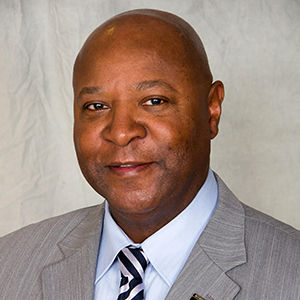
Senator James Manning (Senate President Pro Tempore, Oregon)
Said the state revenue forecast is flat and decoupling from the federal tax code is an effort to keep more resources within the state, especially to support health care and nutrition assistance programs. He identified wildfire recovery and disputes over federal disaster funding as major ongoing challenges.

Senator Dan Innis (Chair, Senate Commerce Committee, New Hampshire)
Emphasized housing affordability, regulatory reform, and fiscal discipline. The state reduced barriers to housing development, restored agency funding after stronger-than-expected business tax revenues, and maintained opposition to adopting a broad income or sales tax.

Senator Marilyn Dondero Loop (Senate President Pro Tempore, Nevada)
Said the state remains stable but vulnerable because of its reliance on tourism and gaming revenues. She highlighted growth in mining, lithium, and other industries while emphasizing education and workforce development efforts.

Senator Charles Schwertner (Chair, Senate Business and Commerce Committee, Texas)
Described Texas as economically strong, citing AAA credit ratings, a $28.5 billion Economic Stabilization Fund, significant property tax reductions, and continued business growth. He emphasized future investments in infrastructure, water, energy, artificial intelligence, and maintaining a business-friendly climate.

Senator Matt Regier (Senate President, Montana)
Challenged MultiState’s “conditional” ranking and said that the state should be considered fiscally stable, citing recent tax cuts, expanded reserve funds, and approximately $1.5 billion in reserves on a $10 billion annual budget. He argued Montana’s financial position supports a stronger fiscal classification.