
2026 Summer Forum
July 12-15, 2026
• • •

Youth Mental Health

Dr. Radesky, a developmental behavioral pediatrician and University of Michigan researcher, discussed technology and youth through the lens of child development, parenting, and mental health. She also serves as a medical advisor for youth AI safety research and has worked on technology-related consumer protection issues at the FDA and Federal Trade Commission.
She emphasized that policymakers should approach youth technology issues with both caution and optimism, recognizing the risks while supporting healthy development and innovation. She noted that today’s teenagers are growing up with technologies far beyond what previous generations experienced, requiring adults to better understand the pressures and opportunities young people face.
She highlighted youth mental health trends of concern:
-
About 40% of high school students report persistent sadness or hopelessness.
-
Suicide risk among teens has increased significantly.
-
About 77% of high school students do not get enough sleep.
-
Many teens feel unable to disconnect from technology, with studies showing high rates of compulsive social media and phone use.
AI is already widely used by teens, particularly for schoolwork. While it offers educational benefits, she warned about its use for personal advice and health questions, citing concerns about privacy, overreliance, and fewer opportunities to seek guidance from trusted adults. Early research suggests possible AI dependence, with about 20% of teens saying it would be difficult to stop using AI for a month.

She emphasized that children and adolescents are developmentally different from adults. Younger children may view AI as human-like, while teens may trust its answers too readily. Heavy reliance on AI could interfere with identity development, relationships, problem-solving, resilience, and the "productive struggle" that is an essential part of growing up.
Dr. Radesky argued that lasting improvements require changes to technology design, not just advice to families. She identified key policy priorities: safer online spaces, stronger privacy protections, limits on targeted advertising to minors, reduced use of addictive design features, healthier recommendation algorithms, safer AI chatbots, and effective school phone policies.
Key policy priorities: safer online spaces, stronger privacy protections, limits on targeted advertising to minors, reduced use of addictive design features, healthier recommendation algorithms, safer AI chatbots, and effective school phone policies.
She supported private-by-default accounts for minors, privacy-preserving age verification, and stronger safeguards against online exploitation, including AI-generated deepfakes and financial sextortion. She also warned that targeted advertising can exploit adolescents' developmental vulnerabilities by promoting gambling, extreme dieting, or AI companion services.
To reduce compulsive use, she recommended giving users greater control over platform features, offering chronological rather than engagement-driven feeds, and conducting independent safety audits of recommendation algorithms. For AI chatbots, she advocated stronger privacy protections, safety testing, and limits on human-like design that encourages emotional attachment.
Dr. Radesky cited University of Michigan research showing that school cellphone restrictions increased student well-being, reduced phone use, and improved teacher satisfaction, although they did not significantly affect test scores, attendance, or cyberbullying.
In closing, Dr. Radesky argued that technology should be designed to help children thrive rather than simply maximize engagement. There should be guardrails around tech design, but helping kids be smart about how and whom they're interacting with online is absolutely crucial. Alongside better technology, young people need strong relationships, community activities, and digital literacy to navigate an increasingly AI-driven world.
Technology should be designed to help children thrive rather than simply maximize engagement.
--------------------------------------------------------------
Discussion
Comments are paraphrased for brevity.
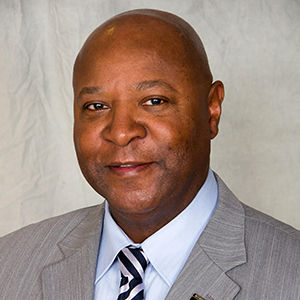
Senator James Manning (Senate President Pro Tempore, Oregon)
Shared a personal story about the impact of school cellphone policies. He said research links student phone use to bullying, suicide attempts, and other mental health concerns. He noted that Oregon now prohibits cellphone use during class and said schools have seen greater participation in sports, music, and other activities, along with improved attendance.

Dr. Radesky
Online bullying can be especially damaging because it often happens in public. Teens who are mocked, excluded, or called hurtful names may experience intense feelings of rejection at a stage of life when peer acceptance is especially important. Public humiliation can deepen emotional distress and, for some young people, contribute to a downward spiral.
Social media is a common factor in many adolescent mental health crises, yet psychiatric programs often lack effective strategies for addressing its role in treatment. At the same time, simply taking phones away is not the answer. Teens need healthy ways to stay socially connected while also building meaningful relationships offline.
Social media is a common factor in many adolescent mental health crises.

Senator Bill Ferguson (President of the Senate, Maryland)
Has a 13-year-old son and an 11-year-old daughter, and had expected AI to make them believe false information more easily. Instead, he has observed the opposite: his children increasingly assume that everything online is fake. So the truth crisis is hard because we want kids to still believe or have the discernment to know, "Well, that's nonsense," or, "How do I figure out if this is real?"
Dr. Radesky
Common Sense Media is developing an AI literacy curriculum to help students evaluate AI-generated information and verify sources. (https://www.commonsensemedia.org) Many teens have a conflicted relationship with AI. They are skeptical of its accuracy but feel pressured to use it because their peers do and they fear falling behind academically.
Parents and educators should talk openly with teens about their AI use. Those conversations can help young people develop critical thinking, trust their own judgment, and use AI as a tool rather than simply accepting its answers.

Senator Marilyn Dondero Loop (Senate President Pro Tempore, Nevada)
The state now prohibits cellphone use in all public schools, with districts responsible for implementing progressive discipline for violations.
Speaking as an educator, mother, and grandmother, she said the key is to make phone-free schools the norm. When every student follows the same rule, children are less likely to feel they are missing out because their peers have phones.
She also observed that coaches and extracurricular leaders routinely require students to put their phones away during practices, games, and activities. She believes these consistent expectations help young people become comfortable being fully present without their devices.
Dr. Radesky
School cellphone policies can do more than change behavior—they can help change culture. When no students have phones during the school day, the fear of missing out diminishes, making it easier for everyone to stay engaged without constant distractions. Many parents worry about being unable to reach their children during emergencies, particularly school shootings. However, schools now have emergency communication systems and trained staff, and students are safest when they focus on teachers' instructions rather than their phones.
School cellphone policies can do more than change behavior—they can help change culture.
Schools should address parents' concerns by holding information sessions to explain emergency procedures and communication plans. Helping parents feel heard and reassured can build support for phone-free school policies while maintaining student safety.